
The answer most Colorado Springs homeowners get from their insurer is "it depends," and that is honestly correct. Whether a mold claim is paid turns on what caused the water, how fast it happened, and what your policy's mold wording says. This post walks through all three so you can read your own policy before you call your agent or a remediation company.
Colorado Springs Mold Pros is a free quote service. We connect homeowners with independent local mold inspection and remediation companies; we do not sell insurance, adjust claims or promise that any claim will be paid. Nothing here is legal or insurance advice.
The rule of thumb: sudden peril yes, slow leak no
Most homeowners policies cover water damage from a sudden, accidental covered peril: a supply line that bursts, a water heater that fails, a washing machine hose that splits. Mold that results from one of those events is often covered too, up to a limit.
The same policies generally exclude damage from:
- slow or repeated leaks that went unaddressed, such as a drip under a sink over months;
- long-term seepage through a foundation or basement wall;
- neglect or lack of maintenance, including a known roof problem left unrepaired;
- flood, meaning surface water from outside; and
- sewer or drain backup, unless you bought an endorsement.
So a frozen pipe that bursts in January and soaks a finished basement usually fits. A basement wall that has been damp every spring for three years usually does not. Mold behind a bathtub from a slow drain leak is the hard middle: insurers often argue the leak was not sudden.
Freeze events are the most common covered cause here
In the February 2021 cold snap, Colorado Springs firefighters answered more than 200 reports of broken sprinkler lines within a few days. In January 2024, at least 25 burst pipes and sprinkler heads were reported in the first days of a freeze, and the fire department noted that damage often shows up only after the thaw.
The Colorado Division of Insurance publishes a consumer advisory on burst-pipe claims: report promptly, protect the property from further damage, document everything, keep receipts. Insurers can still contest a claim if the house was left unheated or the policy required precautions, so read that section of yours.
Our frozen-pipe mold post covers the first 48 hours after a burst; the water damage mold page covers what remediation companies do.
Mold sublimits: the number that matters most
Even when the cause is covered, most policies cap mold-related costs with a separate sublimit, commonly $1,000 to $10,000. Colorado was among the states that adopted ISO mold endorsements in the early 2000s. The sublimit typically applies to testing, remediation and sometimes tear-out and replacement of material to get at the mold.
| Scenario | Typical treatment | What to check in your policy |
|---|---|---|
| Burst or frozen supply pipe | Often covered; mold subject to sublimit | Freeze-protection conditions; mold sublimit amount |
| Appliance or water heater failure | Often covered; mold subject to sublimit | Whether "sudden and accidental" wording applies |
| Slow leak under a sink or behind a tub | Frequently disputed or excluded | Repeated seepage and maintenance exclusions |
| Hail-damaged roof leaking into the attic | Roof often covered; mold found months later may be contested | Reporting deadlines after a storm; mold sublimit |
| Snowmelt or storm water entering the basement | Excluded as flood or surface water | Whether you carry a separate flood policy |
| Sewer backup | Excluded without an endorsement | Backup endorsement and its limit |
General patterns from published consumer guidance, not a description of any particular policy. Your policy wording and your insurer's decision control.
Why it matters: typical remediation jobs run $1,500 to $9,000 (Fixr, 2025) and basement jobs $1,500 to $4,000, so a $5,000 sublimit covers most of a modest job or a fraction of a large one. The full table is on our Colorado Springs mold remediation cost guide. Some carriers sell a higher mold limit as an endorsement; ask your agent.
Flood: why a wet basement after a storm is a different policy
About 65 percent of Colorado Springs' roughly 16 inches of annual precipitation falls from May through August, much of it in heavy afternoon storms. El Paso County had federal flood declarations in 2013, 2015 and 2023.
None of that is covered by a standard homeowners policy. Flood coverage is a separate policy through the National Flood Insurance Program or a private carrier, with its own waiting periods. If your basement took on water from the yard, a creek or a storm drain, start by asking whether you have flood coverage at all. Flood water is also Category 3, contaminated, which is why the flood and sewage mold page treats it as a full remediation job.
Sewer backup and the CSU service line
Sewer backup is its own exclusion, and most carriers sell an endorsement for it with a modest limit. Two local facts matter:
- The service line is yours. Colorado Springs Utilities' residential wastewater backup claim policy says the line from the house to the main, and damage from blockages in it, are the customer's responsibility.
- CSU's own main is a narrower case. CSU says it assists with damage from verified blockages in its main line if the customer was not negligent, and it is not liable for acts of nature, including severe storms and flooding. Claims need proof of loss, estimates, an itemized list of damaged property and the cause. CSU also recommends a specialist cleanup business because of the bacteria in wastewater.
Local news has reported homeowners facing $50,000 and $80,000 sewage-backup losses after both the city and their insurer denied responsibility. An endorsement is inexpensive next to those numbers.
Document first, then clean
Whatever the cause, the order of operations is the same.
Stop the water
Shut the main, kill the appliance, tarp the roof. Insurers expect you to prevent further damage.
Photograph and video everything
The source, the standing water, the water line on the wall, every affected room, the contents. Wide shots and close-ups, with dates.
Call your insurer before major tear-out
Report the loss and ask what documentation they want. Keep damaged materials or a sample where practical until the adjuster has seen them or released you.
Get a written scope
Adjusters work from a written protocol and estimate. Ask whether the company has handled insurance jobs and whether it bills the insurer directly; some do.
Keep receipts
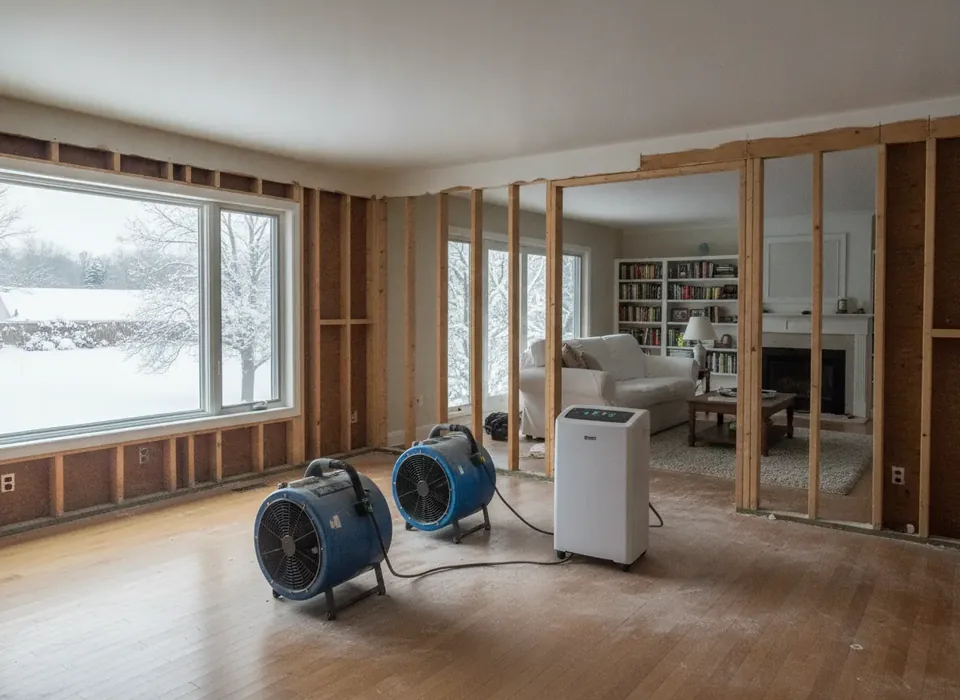
Fans, dehumidifiers, emergency plumbing, hotel nights. All of it goes in the file.
Two things no company can promise. That your insurer will pay, and that the mold sublimit will cover the whole job. Be cautious with anyone who says otherwise. What a good company can do is write a clear scope, document conditions, and separate the water-damage work from the mold work so the adjuster can see what is what.
Timing and the policy period
One more Colorado wrinkle. In a 2021 ruling, a federal court in Colorado denied water and mold coverage because the homeowner could not show the loss happened during the policy period. If you find mold, note the date, look for evidence of when the water started, and report it rather than waiting. If a claim is denied, the Colorado Division of Insurance takes consumer complaints, and a public adjuster or attorney can review the file.
Frequently asked questions
Does homeowners insurance cover mold in Colorado?
Often only when the mold results from a sudden, covered event such as a burst pipe or a failed appliance line, and even then the payout is usually capped by a mold sublimit, commonly $1,000 to $10,000. Mold from a slow leak, long-term seepage, poor maintenance or flooding is generally excluded. Your own policy wording controls, so read it and call your agent.
Does insurance cover a flooded basement after snowmelt or a monsoon storm?
Standard homeowners policies exclude flood, which means surface water entering the house from outside. That is a separate flood policy through the National Flood Insurance Program or a private carrier. Water from a burst pipe inside the house is treated differently from water coming in from the yard or a creek.
What about sewer backup in Colorado Springs?
Sewer and drain backup is usually excluded unless you bought an endorsement for it. Colorado Springs Utilities' policy treats the service line from your house to the main as your responsibility, and it says it is not liable for damage from severe storms and flooding. CSU may assist with damage from a verified blockage in its own main if the customer was not negligent.
Should I clean up the mold before the adjuster comes?
Document first, then take reasonable steps to stop further damage, such as shutting off the water and drying the area. Photograph everything, keep damaged materials or samples where practical, and save receipts. Tearing out and discarding everything before anyone has seen it makes the claim harder to support.
Get a written scope you can hand to your adjuster
Whether or not insurance pays, you need a clear estimate. Request free quotes from independent local remediation companies, mention that you have an open claim, and ask each one to separate water-damage work from mold work in writing. No obligation. Or call Call (719) 642-1761.