
Do You Have to Disclose Mold When Selling a House in Colorado?
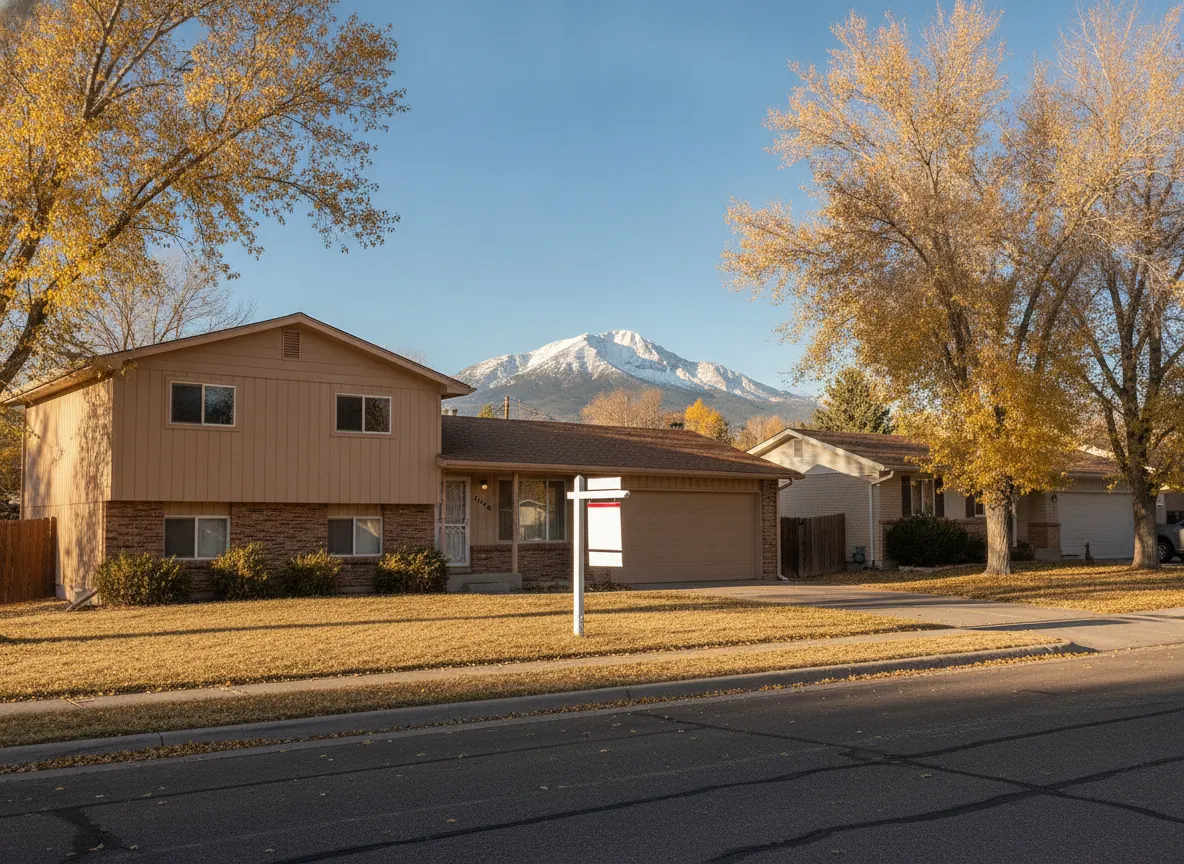
Colorado has no mold-specific disclosure law, but if you’re selling a house in Colorado Springs you should expect to disclose mold you know about. The state Seller’s Property Disclosure form, mandatory for sales from January 1, 2026, asks about moisture and water problems, including leakage or seepage in the basement or crawlspace, answered to your current actual knowledge. Known mold is generally treated as a material fact. The practical answer: disclose what you know, and deal with the moisture source before you list. This is general information, not legal advice; your agent or a real estate attorney can speak to your situation.
What the Colorado disclosure form asks about moisture and mold
The Colorado Real Estate Commission adopted the current Seller’s Property Disclosure on August 5, 2025, and it became mandatory on January 1, 2026. It asks about:
- Moisture and water problems, including leakage and seepage in the basement or crawlspace
- Structural problems
Sellers answer to their current actual knowledge and have a duty to disclose new adverse material facts that come up before closing. We couldn’t confirm whether the form has a line item that names mold. That doesn’t change much: the moisture question covers what usually causes mold, and known mold is a material fact a buyer would want to know.
Where Colorado Springs sellers find mold before listing
Listing prep is often when sellers pull back carpet, empty storage rooms and climb into the attic for the first time in years. These are the usual places mold turns up here.
Basements. Roughly a third of Colorado Springs homes have basements, per industry estimates. Spring snowmelt and summer storms push water against foundation walls, and finished basements hide it behind drywall and carpet. More in basement mold after snowmelt and on our basement and crawl space mold page.
Attics. The July 2016 hailstorm alone produced $352.8 million in insurance losses, Colorado Springs’ second most costly catastrophe after the Waldo Canyon fire, and the August 2018 storm hit southwest Colorado Springs and Fountain hardest. Hail-cracked shingles and lifted flashing can leak slowly into attics, and mold shows up later as ceiling stains. See attic mold and roof leaks.
Pipes. The February 2021 cold snap brought more than 200 reports of broken sprinkler lines in a few days, and in January 2024 the fire department noted freeze damage often shows up only after the thaw. A pipe that burst and was patched in a hurry can leave wet insulation behind.
Swamp coolers. Older neighborhoods still run rooftop evaporative coolers. Their pads stay wet, so the unit, the supply ducts and the roof and ceiling around them are worth a look before buyers’ inspectors get there.
Selling a house with mold in Colorado: fix it and document it
Most sellers end up doing both: fixing the water source and the mold, then disclosing what happened and what was done. A sensible order:
- Find and fix the water source first. Removing mold without stopping the water just resets the clock.
- Get a written scope from more than one independent remediation company.
- Ask whether an asbestos test is needed before tear-out. About 39% of city homes predate 1980, and a basement tear-out can easily pass Colorado’s 32-square-foot trigger.
- Confirm permits with the Pikes Peak Regional Building Department if framing, plumbing or wiring will be rebuilt.
- Consider an independent clearance check after the work.
- Keep the paperwork: written protocol, invoices, photos and clearance results.
A folder like that turns an uncomfortable disclosure answer into a documented repair a buyer’s inspector can check.
Typical published ranges, not quotes: basement $1,500–$4,000, attic $1,000–$4,000, bathroom $500–$1,500 (Fixr Aug 2025, This Old House Mar 2026). Colorado Springs quotes come from the companies, not from this site. The cost calculator gives a planning range by size.
Insurance and timing before you list
If the mold came from a sudden covered event such as a burst pipe, your homeowners policy may cover part of it, often under a mold sublimit commonly between $1,000 and $10,000. Slow leaks, neglect and flood are usually excluded. Document everything before cleanup and check your sublimit; never assume the policy pays. Our insurance guide goes deeper.
Build in time. If you want air samples, one local vendor guide says lab results often take 3–5 business days, and remediation scheduling depends on the companies. Starting a few weeks before your listing date beats finding the problem in the buyer’s inspection report.
Next step
If you’ve found mold while getting ready to sell, describe it once and independent local companies reply with free quotes you can compare. Request free quotes or read how mold removal in Colorado Springs usually works.
FAQ
Does Colorado have a mold disclosure law?
No mold-specific disclosure statute was found. The state Seller’s Property Disclosure form asks about known moisture and water problems, including basement or crawlspace seepage, and known mold is generally treated as a material fact.
If I had mold removed years ago, do I mention it?
The form is answered to your current actual knowledge, so talk with your agent or a real estate attorney about past problems. Paperwork showing the water source was fixed and the work was checked helps either way.
Should I remove mold before listing my Colorado Springs home?
Usually it helps to fix the water source and the mold first, then disclose what happened and what was done. Ask whether an asbestos test is needed before tear-out and confirm any rebuild permits with PPRBD.
Seeing or smelling mold? Get a clear plan.
Free, no-pressure quotes from independent companies across Colorado Springs, Monument, Fountain, Woodland Park and the Pikes Peak region.